Skip to Main Content (Press Enter)

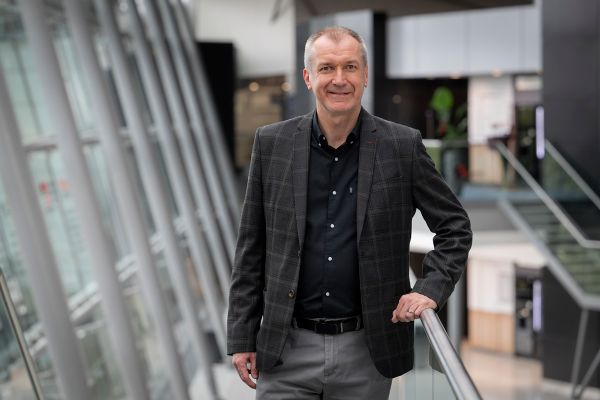
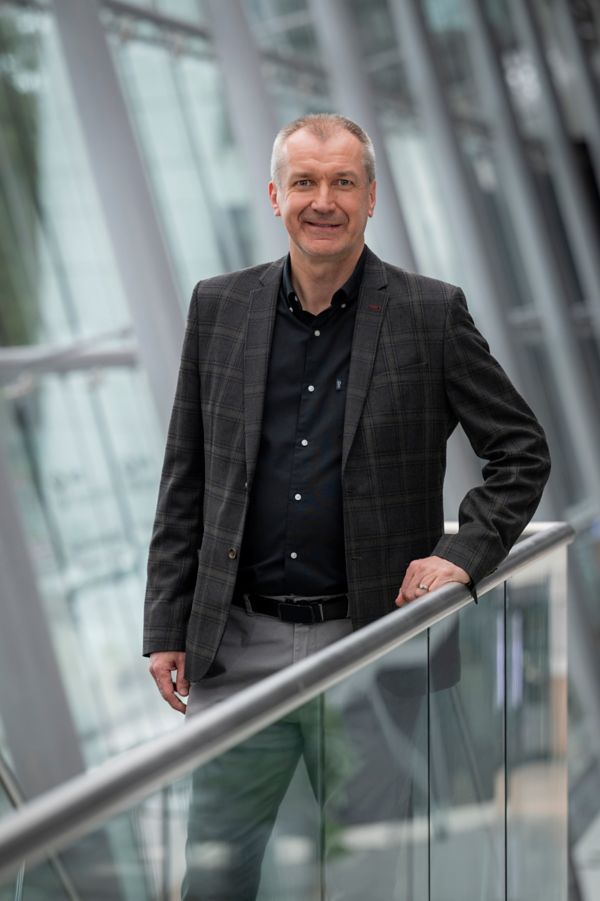
Interviewee: Warren Fisher

Role: Fleet Vehicle Lifetime Value (VLV) Optimisation Manager

Q: Can you describe your role, experience, and what a typical day looks like?
A: I lead business transformation to optimise the opportunity across B2B first cycle channels. My role focuses on embedding a Customer First mindset into the way we deliver in life vehicle services and value.

With over 25 years in automotive leasing and fleet management, I’ve spent most of my career ensuring every customer receives the very best in aftersales support. A typical day involves collaborating with internal and external stakeholders, supporting new tenders and existing customers, and developing or refining our Vehicle Lifetime Value (VLV) services and products to meet evolving customer needs.
Q: What is Vehicle Lifetime Value, or VLV?
A: At its heart, VLV is about creating memorable experiences for our customers throughout the entire vehicle journey. That means optimising value from acquisition, through in life support, right through to de-fleet and repurposing. It also means delivering sustainable growth for our Retailer Network and ensuring our processes reflect the Toyota Way, built on safety, quality and environmental responsibility.

Q: How does your work directly benefit fleet customers?
A: Since this role was introduced, it’s enabled us to offer a far more consultative experience to fleet customers, not just in sales, but across product acquisition, in life servicing, and technical support. By embedding VLV into every touchpoint, we help customers keep vehicles running efficiently and reduce downtime across the board.

Q: Are there common challenges you hear from customers?
A: Absolutely. Whether it’s a fleet manager, lease company or a fleet management provider, they all want to know the same things: how extensive is your aftersales network, do you have nationwide coverage, and are your technicians trained to support our vehicles. Parts supply is another big topic. If you don’t have the right parts, nothing moves. Warranty confidence and access to an accredited Bodyshop network are also consistently raised, especially for LCV fleets focused on uptime.

Q: How does the One Toyota structure help deliver more complete fleet solutions?
A: It creates alignment. We’re now able to offer a seamless customer journey, from vehicle funding and acquisition through to aftersales, defleet and repurposing. Whether it’s Toyota, Lexus or KINTO, the customer experiences it as one team, one vision, and one standard of service. That consistency is a big differentiator.

Q: Toyota is known for reliability. How does that help your fleet proposition?
A: Reliability is the foundation that allows us to build stronger fleet services. It’s not just about how long a vehicle lasts; it’s about giving customers the confidence to invest in our products. From there, we layer on in life support that enhances both the ownership and usership experience, reducing cost and disruption.

  • Q: What support do you provide across the presales and aftersales journey?
    A: At the tender stage, I now support the One Toyota Team with a full fleet optimisation lens. That includes helping shape the aftersales offer as part of the proposition, which we didn’t do before. From planned servicing to fast, responsive resolution of unplanned issues, our goal is to maximise vehicle uptime from day one.

    Q: How important is choice for fleet customers?
    A: Critically important. And we now have the structure in place to support it. Whether it’s choosing the right product, powertrain or acquisition method — outright purchase, finance or leasing — or tailoring the in-life package, including servicing and roadside assistance, we can now have meaningful conversations across every layer of the fleet experience.

Q: Can you share an example of how your advice has helped a customer?
A: One fleet operator came to us with a five-year 100,000 mile contract operating on a pay on use service and maintenance model. Costs were escalating year on year, with no visibility or control. We completed a detailed cost review and proposed a switch to a fixed price service plan through the Toyota Network. The result was a clear cost reduction and an improvement in operational uptime — a win win.

Q: Have you introduced any tools or processes to support this?
A: Yes. We use an internal SMR portal that gives us a detailed breakdown of in life service costs, from scheduled maintenance to tyres, brakes,  and more. That level of clarity allows us to build packages that are tailored to the customer’s actual mileage profile rather than offering one size fits all solutions.

Q: How does VLV evolve in the context of electrification and connected vehicles?
A: Electrification brings a shift in aftersales needs. EVs typically require fewer parts and shorter service times, so we’re already preparing with mobile servicing, express channels and new workshop formats. These changes reduce cost and downtime significantly. And with connected vehicles, we can go even further by offering smarter insights to pre-empt issues before they affect productivity.

Q: What role does the Retailer Network play in VLV delivery?
A: It’s fundamental. Our Retailer Network delivers the services that keep vehicles running. That includes extended hours, weekend availability, while you wait channels, and collection and delivery options. Whether it’s an SME that can’t afford downtime or a large fleet with nationwide needs, our Network is key to delivering on our promises.

Q: What does Better Business mean to you?
A: Better Business puts vehicle lifetime value front and centre. It recognises that every business is different and their needs for vehicles, services and support will vary by industry. Our job is to meet those needs with the right blend of reliability, flexibility and human support.

Q: What is your favourite Toyota vehicle?

A: The Proace EV is a standout for me. The transition from an ICE vehicle is amazing, you just need to drive it. It does exactly what you need it to, with no fuss.